26.05.2026.
DEVELOPMENT OF A STRATEGIC PLAN FOR ANTI-CORRUPTION EDUCATION IN THE REPUBLIC OF SERBIA
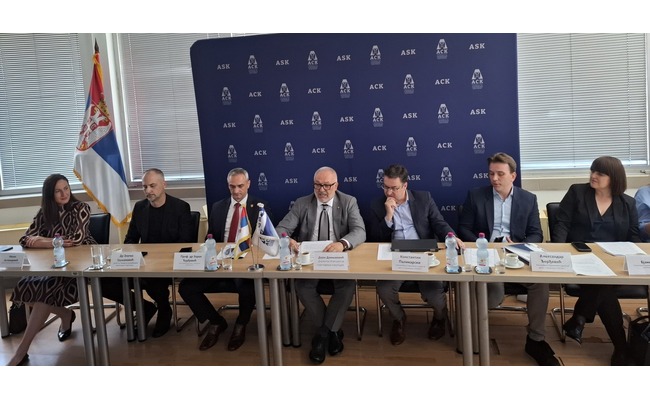
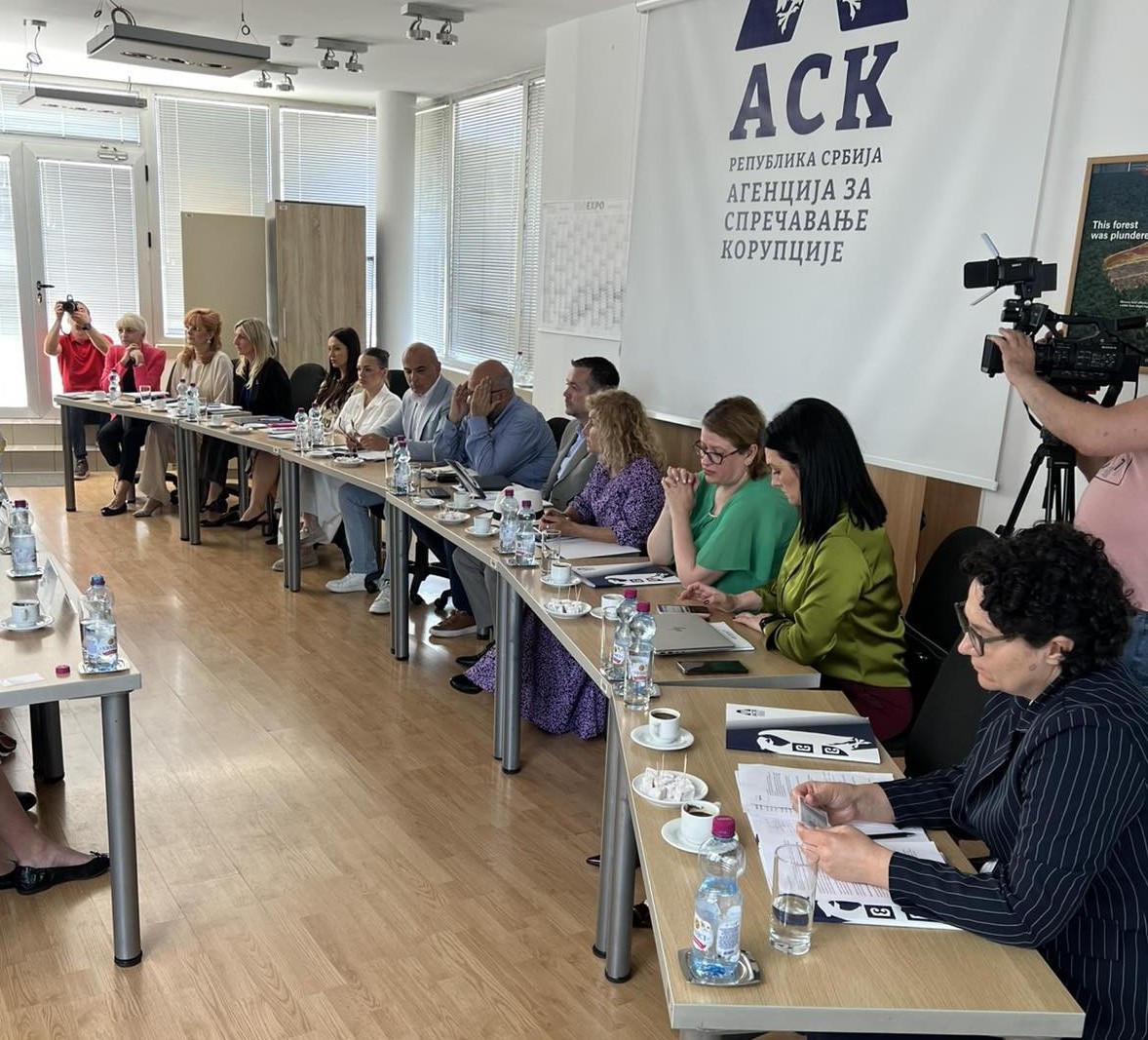
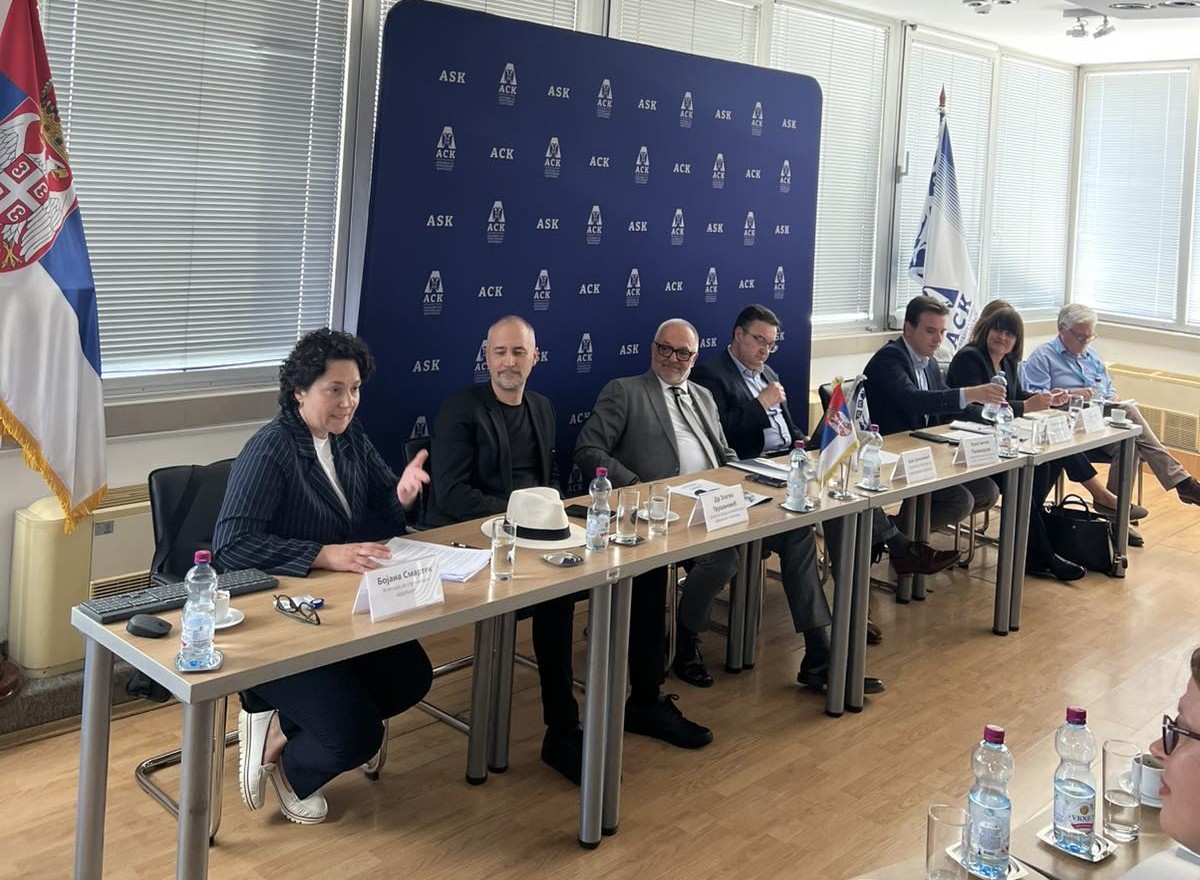
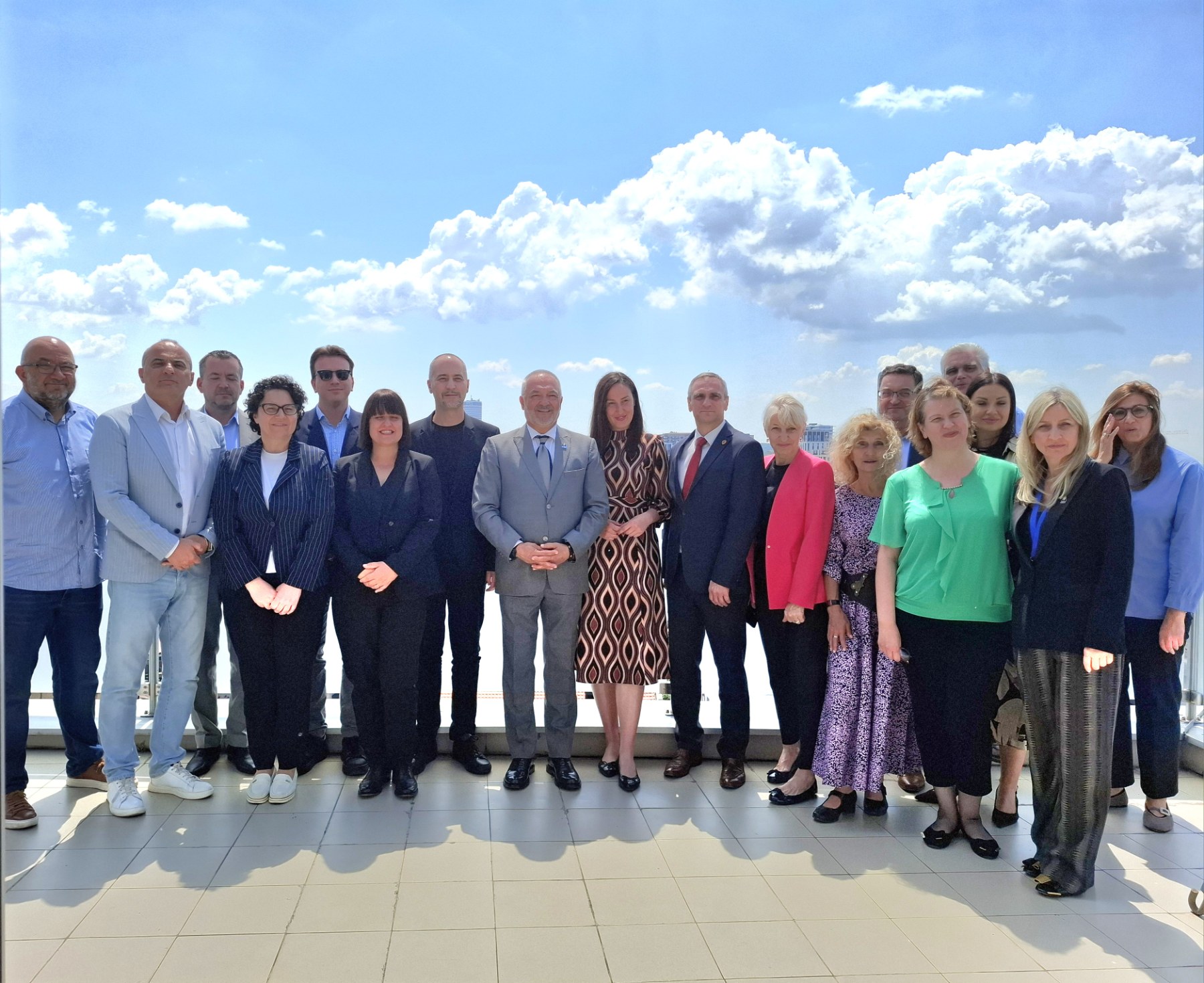
“Development of a Strategic Plan for Anti-Corruption Education in the Republic of Serbia” was the topic of a meeting held at the Agency, aimed at reviewing the progress achieved to date in the field of anti-corruption education, as well as presenting the initiatives launched by the Agency.
In the introductory part of the meeting, remarks were delivered by Prof. Dr. Zoran Đurđević, Rector of the University of Criminal Investigation and Police Studies; PhD Zlatko Grušanović, Director of the Institute for the Improvement of Education; Ivana Antonijević, Assistant Minister of Tourism and Youth for the Youth Sector; Constantine Palicarsky, UNODC Crime Prevention and Criminal Justice Officer; and Dejan Damnjanović, Director of the Agency, who opened the meeting and welcomed the attendees. The UNODC GRACE Initiative was presented by Bianca Kopp, UNODC Crime Prevention and Criminal Justice Officer, while Bojana Smartek, Acting Assistant Director of the Sector for Integrity and Anti-Corruption Education, informed the attendees about the activities implemented by the Agency in relation to anti-corruption education for young people.
The participants agreed that some of the most important mechanisms for preventing corruption can be effectively developed within the educational system, and that it is necessary to adopt a systematic approach to introducing and improving curricula that promote integrity, transparency, and accountability at all levels of education for young people. A comprehensive strategic plan for anti-corruption education will include clearly defined activities, along with specific deadlines, resources, and funding sources.
Director of the Agency Dejan Damnjanović emphasized the importance of the cooperation agreements signed with the Ministry of Education and numerous educational institutions, stressing the need to develop a comprehensive and sustainable approach. “Inter-institutional coordination and long-term planning in the field of anti-corruption education, as well as research projects and analyses in this area, together with the development of manuals, guides, and other publications aimed at strengthening anti-corruption awareness among students and young people in general, as well as organizing training for employees in the education system, are important mechanisms applied by the Agency in this field. In this way, we provide a direct contribution to the implementation of the signed agreements,” said the Director of the Agency.
Prof. Dr. Đurđević, Rector of the University of Criminal Investigation and Police Studies, highlighted the importance of connecting theoretical and practical knowledge, as well as the need to include topics related to combating corruption in higher education and professional development. “In this way, the fight against corruption is strategically strengthened. First, by defining anti-corruption standards, the quality of higher education is improved; second, highly qualified personnel are trained to enhance the protection of rights through practical work and ensure that the public interest always takes precedence over private interests,” said the Rector.
PhD Grušanović, Director of the Institute for the Improvement of Education, emphasized the role of curricula and teachers in shaping students’ values, as well as the importance of developing teaching materials and providing training for educators. “Schools are places where values are built. Through all subjects, discussions about ethics, abuse, rights, and responsibilities can be encouraged, motivating students to think actively and critically, which is the most powerful form of prevention,” emphasized the Director of the Institute.
Assistant Minister of Tourism and Youth Ivana Antonijević highlighted the importance of involving young people in decision-making and policy-making processes, as well as developing non-formal education programs that encourage activism and foster a culture of integrity. “The signed agreement envisages a series of activities that will contribute to raising awareness among young people about the importance of integrity, responsibility, and transparency, as well as encouraging their more active involvement in building a society based on ethical values,” the Assistant Minister stated.
On behalf of UNODC, Constantine Palikarsky emphasized that anti-corruption education is essential for building a culture of integrity, responsibility, and zero tolerance for corruption, especially among younger generations. “As recognized by the United Nations Convention against Corruption, particularly Article 13, education and public awareness-raising are key tools for preventing corruption and building trust,” emphasized the UNODC Crime Prevention and Criminal Justice Officer.
The meeting concluded with agreement on the next steps, which include analyzing existing educational practices and drafting the Strategic Plan, with the active involvement of all relevant stakeholders. It was concluded that the Strategic Plan and the joint work of institutions will contribute to creating an efficient and sustainable education system that will play a significant role in preventing corruption in Serbia.